International Student Enrollment Drops 17%
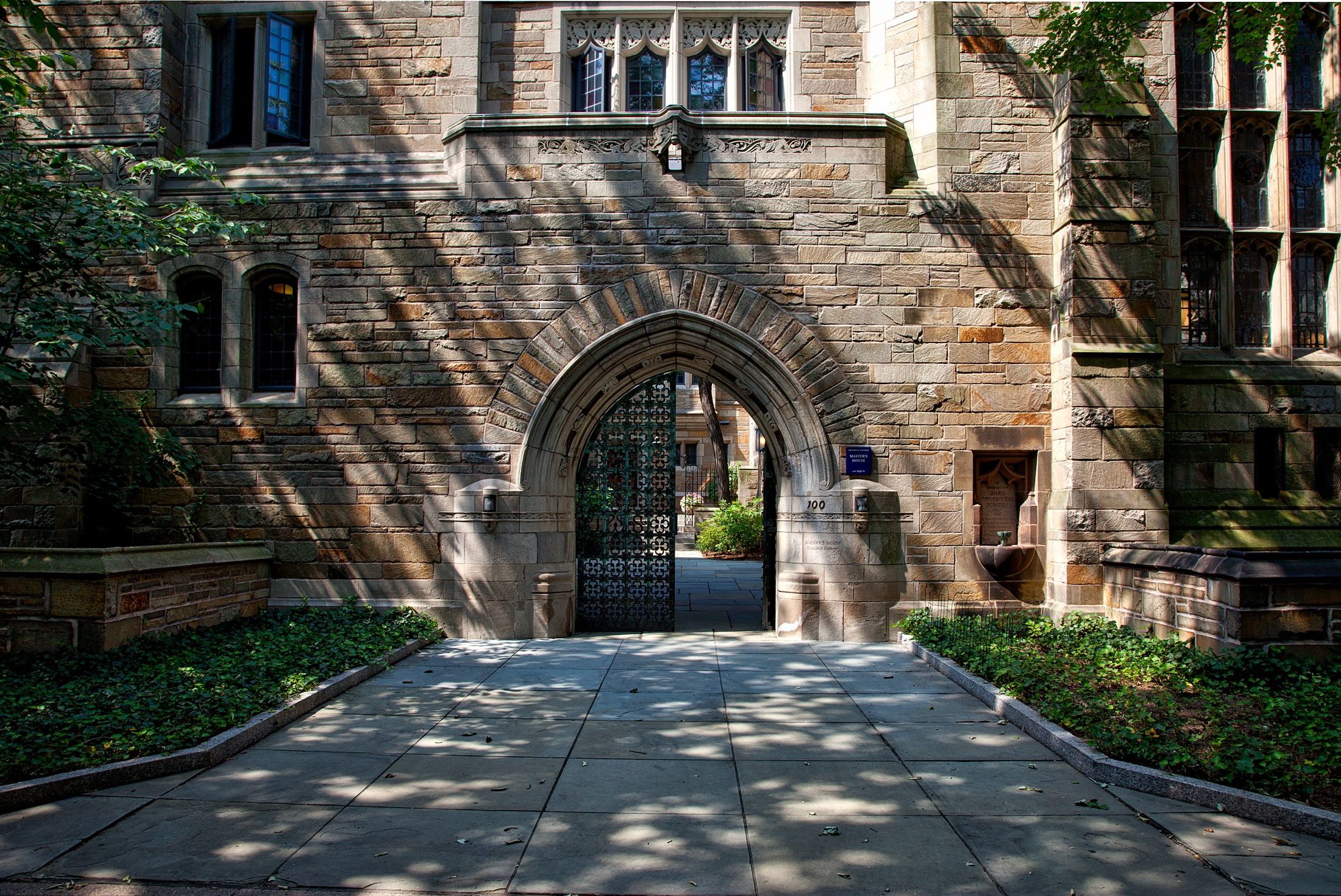
A 17% enrollment drop doesn't mean fewer admissions - it means less competition. Students who understand the new landscape and adapt their applications accordingly have a real strategic advantage in 2025-26.
Introduction: A Shift That Could Work In Your Favor
If you're dreaming of studying in the United States - maybe at Harvard, Stanford, NYU, or another top school - the latest international education news probably made you pause.
In November 2025, The Guardian reported something that shook the higher-education world: New international student enrollments in U.S. universities fell by 17%, the steepest drop in over a decade.
For students preparing for applications, SOPs, and visa interviews, this headline can feel alarming. But here's the good news: Instead of hurting your chances, this shift may actually create more opportunities - if you understand what's happening and adjust your strategy.
In this IvyEdgeSOP guide, we'll break down what this enrollment plunge really means, why it's happening, how it affects Ivy League and top-tier admissions, and how you can adapt your SOP, college list, and application game plan for 2025-26.
What The Guardian Actually Reported - In Simple Terms
Here are the biggest takeaways from the article, converted into student-friendly language:
- New international student enrollment fell 17% - A massive drop, the largest since COVID disruptions.
- This follows a 7.2% decline the previous year - The trend started earlier and worsened under the new political climate.
- Over half of U.S. universities are reporting declines - 57% saw fewer students, 27% reported a major drop.
- Visa problems are the #1 reason - A huge 96% of institutions cited visa delays and denials as the top issue.
- Students fear they won't feel welcome - 67% worry about acceptance, 64% worry about U.S. politics and campus climate.
- BUT total international student numbers remain high - Why? Students already in the U.S. are staying longer for grad school or OPT.
This creates a strange paradox - fewer new students, but still crowded campuses.
Why Are Fewer New Students Coming to the U.S.?
From visa chaos to global competition, several factors have collided:
1. Visa Stress Is Now Visa Turbulence
Longer wait times, stricter screenings, more denials - universities themselves say visas are the main barrier. Many students are being admitted but cannot enroll.
Imagine receiving a dream Ivy League acceptance... only to miss enrollment because the visa didn't come in time. It's happening far too often.
2. U.S. Political Climate Sends Mixed Signals
The Guardian highlights several federal actions, including:
- Attempts to restrict student visa durations
- Attempts to block foreign admissions at certain universities (like Harvard, before courts intervened)
- Funding threats tied to campus political issues
These messages - even when symbolic - create global uncertainty.
3. Students And Families Are Emotionally Exhausted
Sending a child abroad is a huge decision. When parents see news about political polarization, campus protests, deportation fears, and shifting visa rules, they understandably second-guess U.S. plans. This emotional factor is more powerful than many analysts admit.
4. Canada, Australia, UK, and Europe Are Welcoming Students Aggressively
These countries are offering:
- Easier visas
- Clearer post-study pathways
- Faster processing
- Public messaging that international students are essential
The global education competition is REAL - and the U.S. is no longer the automatic first choice.
The Paradox: Enrollment Down, But Student Numbers Up
Yes, new enrollment has crashed. But the total number of international students is still extremely high because students already in the U.S. are staying longer:
- Master's to PhD
- PhD to postdoc
- Graduation to OPT jobs
- OPT to more extensions
So campuses remain busy... but the future pipeline is shrinking. Universities feel this pressure more than you might realize - and it's where your opportunity lies.
What This Means for U.S. Universities (Including the Ivies)
International students aren't just "nice to have." They're essential. You contribute: tuition revenue, research output, cultural diversity, global reputation, and alumni influence.
A 17% drop is alarming for institutions. Here's how it affects their behavior:
1. Universities Will Compete More Aggressively for Quality Students
Because fewer students are applying or successfully getting visas, the ones who do apply (and get approved) suddenly become more valuable. Expect:
- More personalized outreach
- More willingness to support visa documentation
- Strategic scholarships at mid-tier schools
The market is adjusting - in your favor.
2. Top Schools Need Global Diversity
Harvard, MIT, Yale, Columbia - all of them pride themselves on being global ecosystems. They cannot afford a shrinking international presence.
This means: A strong, well-written SOP with a clear purpose may stand out even more than before.
3. Graduate Programs Will Feel the Crunch First
Master's and PhD programs rely heavily on international researchers. If new enrollments are dropping, labs and departments feel it immediately. This increases their motivation to admit strong candidates from abroad.
What This Means for YOU: The 2025-26 Applicant
Good news: Applying to study in the U.S. is still very worthwhile - but it requires a smarter strategy.
1. Admissions May Become Slightly More Favorable for Strong Candidates
Not easier - but more favorable. Students who are serious, academically solid, and clear about their goals have a real opportunity to shine as weaker applicants drop out of the race.
2. You Now Face Two Admissions Stages
- University admissions
- Visa approval
And they require slightly different narratives. Your story must be: consistent, financially clear, purposeful, and grounded. Many students forget that visa officers read between the lines just as much as admissions committees.
3. You Must Build a Global Backup Plan
Applying only to the U.S. is risky in 2025. Smart applicants also target:
- Canada
- UK
- Australia
- Europe (Germany, Netherlands, Sweden)
- Hong Kong or Singapore
This isn't lack of confidence - it's tactical planning.
How to Adapt Your SOP for the New Reality (IvyEdgeSOP Expert Tips)
Your Statement of Purpose isn't just a writing exercise - it's a strategic tool. Here's how to strengthen yours for the 2025-26 cycle:
1. Show a Clear, Sharp Academic Direction
Avoid generic lines like: "I'm passionate about technology." Instead:
- Pick a specific subfield
- Give concrete examples
- Explain how your past work connects
Clarity = credibility.
2. Demonstrate a Global (Not Just American) Mindset
Given the political context, your SOP should subtly convey:
- You're not trying to "escape" your home country
- You're seeking knowledge to create international impact
- You're someone who contributes globally
This helps both with admissions and visas.
3. Highlight Resilience
Universities want students who can handle uncertainty. Share moments when you:
- Solved a difficult problem
- Pivoted after failure
- Handled a challenge independently
It signals strength.
4. Align Your Goals With the University's Mission
Every school has its values. Look at mission statements, department research themes, and faculty interests. Then subtly connect your goals to their culture.
5. Build a Visa-Friendly Narrative
This doesn't mean writing about visas in your SOP. It means:
- Demonstrating academic consistency
- Showing clear financial understanding
- Highlighting ties to home (community projects, family responsibilities, startups)
These elements naturally make your eventual visa interview smoother.
Country-Specific Insights: India, China, and Beyond
Since IvyEdgeSOP has readers worldwide, here's how trends affect different regions:
Indian Students
The U.S. still wants Indian talent.
Strengths: Strong STEM applicants, English proficiency, large student base, high research output.
Challenges: Aggressive competition from Canada and UK, visa delays in major Indian consulates.
Chinese Students
Facing complicated geopolitics, especially in: AI, semiconductor engineering, and cybersecurity. But strong academic profiles still succeed.
Emerging Regions (Africa, Middle East, Latin America)
Huge opportunity. Universities are actively trying to diversify beyond India and China. A strong narrative from these regions stands out immediately.
So... Should You Still Apply to Study in the U.S.?
YES - but with smart planning.
The U.S. still offers: world-class research, unmatched STEM innovation, flexible academic structures, extraordinary networking, and powerful career ecosystems.
But it also requires: patience, clarity, emotional resilience, and alternative pathways.
Treat the U.S. as a top choice, not your only choice.
Your 2025-26 IvyEdgeSOP Action Plan
Here's your simplified strategy roadmap:
1. Build a Multi-Country College List
Include:
- 3-4 dream schools
- 3-4 realistic U.S. targets
- 3-5 non-U.S. options
- 1-2 safety schools
2. Write a Strong, Clear SOP
Focus on: academic goals, your background, why this university, and how you'll contribute.
3. Deepen Your Profile
Quality projects > long lists. Show impact: numbers, users, measurable outcomes.
4. Start Visa Prep Early
Learn: funding requirements, timeline issues, interview tips, and common pitfalls.
5. Stay Emotionally Flexible
If the U.S. doesn't work out, your journey doesn't end - it simply takes a different route.
Final Thoughts: Turning the 17% Drop Into an Opportunity
A headline like "International enrollment plunges 17%" can look like a disaster.
But for informed, focused, motivated students like you, it can actually be the opening of a less crowded door.
When weaker applicants step back, universities become more intentional, and you come prepared with clarity and strategy - you don't just survive the new landscape. You outperform in it.
The U.S. dream is still alive - you just need to approach it with the right mindset and tools.