US Study Plans 2027: Indian Students, Visas and Costs
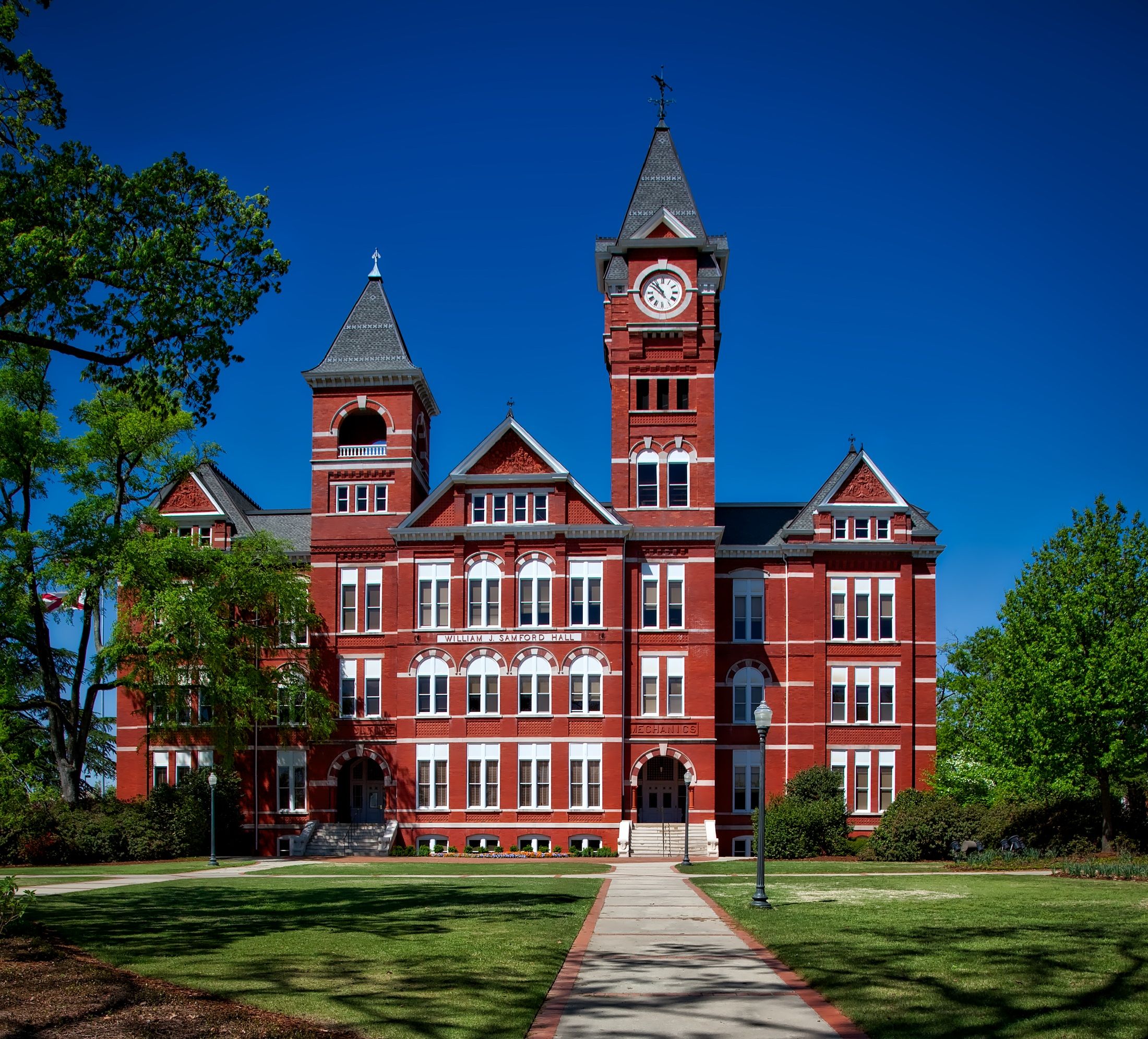
US study plans for 2027: evaluate the evidence, not an exodus headline
The evidence does not support a simple claim that Indian students have abandoned US education. The total Indian student population, the number of new international entrants and visa grants are different measures. Reading them separately produces a more useful picture for applicants planning US study in 2027.
2027 planning edition. Sources reviewed on 30 October 2026. Published findings retain their actual academic years and sample definitions. They are not final 2027 enrolment results or predictions of individual admission or visa outcomes.
Three data points that should not be confused
1. The Indian student total increased in 2024/25
Open Doors 2025 recorded 363,019 Indian students in the USA in 2024/25, up 10% from the previous year. India remained the leading place of origin. The total includes the OPT category, so it is not a count of new Indian arrivals or students newly enrolled that year.
2. New international enrolments weakened
In the same Open Doors release, new international enrolments across all origins fell 7% to 277,118 in 2024/25. An increase in the Indian total can therefore coexist with weaker new international recruitment. These are different populations and measures.
3. The later snapshot is a sample, not an India census
The IIE Fall 2025 Snapshot gathered responses from more than 825 US institutions about 2025/26. It reported a 17% fall in new international enrolments and a 1% decline in the international student total at reporting institutions. Those percentages are not a measured 17% fall in Indian students nationwide.
Our interpretation: there is credible evidence of pressure on new recruitment, but describing that as a universal Indian exodus overstates the findings. The snapshot also reports continued institutional interest in recruiting Indian students.
Why visa uncertainty matters without predicting your outcome
Among snapshot institutions reporting lower new international enrolment, 96% cited visa application concerns as a contributing factor. That is a survey of institutions' explanations, not a 96% visa refusal rate or proof of a single cause.
For a 2027 application, plan backwards from the institution's reporting date. Allow time for the admission decision, financial documents, immigration paperwork and the visa process. Ask the university about deferral options before committing to travel or nonrefundable housing.
Check current official instructions for your application location and maintain truthful, consistent records. A consultant cannot promise a visa outcome, and one person's experience does not determine the result of your application.
The U.S. Department of State's student visa guidance explains the sequence of SEVP school acceptance, Form I-20, SEVIS registration and the visa application. Its current guidance says new student visas can be issued up to 365 days before the course start date, while entry on that visa is not permitted more than 30 days before the start. Appointment availability and any further processing vary; these windows are not promised processing times.
Cost pressure: use an actual offer rather than a national average
The earlier version of this article treated high tuition figures as though they described every programme. In practice, costs depend on the institution, degree, location, duration and funding package. Compare the university's full cost of attendance with the amount your family can actually fund.
- Tuition and compulsory fees: check whether the quoted amount covers one semester, one academic year or the whole degree.
- Living costs: include insurance, rent, utilities, transport and deposits, not only food and accommodation.
- Funding: count only awards and assistantships confirmed in writing, including any renewal conditions.
- Debt: model interest, currency changes and repayment without assuming immediate dollar income.
- Delays: budget for a deferred start, an extended research timeline or a period without employment.
Request the cost of attendance for your actual 2027 entry cohort, including expected later years. The current student visa page lists a US$185 application fee; SEVIS, travel, insurance and any other applicable charges are separate. Verify the fee payable when you apply rather than treating today's amount as a fixed 2027 total.
OPT is useful, but it is not guaranteed employment
USCIS explains that eligible F1 students may receive up to 12 months of OPT. Qualifying STEM graduates may apply for an additional 24 months if they satisfy the extension requirements. Employment must meet the applicable rules, and authorisation is not the same as a job offer.
Do not choose a programme solely because a brochure calls it STEM. Confirm its classification and eligibility with the university's designated school official. Treat a later employer sponsored visa as a separate, uncertain process rather than an entitlement attached to your degree.
When the USA can still be a sensible choice
A specific programme may offer research infrastructure, specialised supervision, a suitable curriculum or a substantial funding package that is difficult to reproduce elsewhere. Those are defensible reasons to apply. A broad promise of a high salary or permanent settlement is not.
For an MS or MBA, ask how the programme develops skills you do not already have and request relevant graduate outcomes. For a PhD, examine supervisor availability, funding duration and research alignment. For a bachelor's degree, test whether the full multiyear cost is sustainable.
How to build a realistic alternative plan
Shortlist a second destination only when the alternative programme meets your academic needs. Germany is not automatically tuition free for every student, and Canada is not an unrestricted substitute: its 2026 study permit targets and programme eligibility rules also require scrutiny.
Compare Canada and the USA in 2026, explore other suitable destinations, and use our guide to interpreting Indian student enrolment data before drawing conclusions from a headline.
A practical checklist for 2027 entry
- Record the programme's exact intake, academic prerequisites, testing policy and application deadline.
- Check funding competitions separately; an admissions deadline is not necessarily a scholarship deadline.
- Confirm the full degree budget and written award conditions before paying a nonrefundable deposit.
- Check the university's immigration instructions and the consular process that applies to you.
- Review deferral, housing cancellation and refund terms if a visa decision or funding is delayed.
- Recheck work authorisation rules before relying on employment during or after study.
Frequently asked questions
Does the 17% snapshot decline apply specifically to Indian students?
No. It describes new international enrolments across origins at responding institutions. It must not be presented as an India specific national decline.
Should I cancel a US application because new intake has fallen?
Not on that statistic alone. Reassess the programme, cost, funding and your personal risk tolerance. Aggregate figures cannot predict your admission, visa or employment outcome.
IvyEdgeSOP supports informed university selection and admissions planning. Applicants author their own statements and must follow institution specific rules. No admission, visa, employment or immigration outcome is guaranteed.